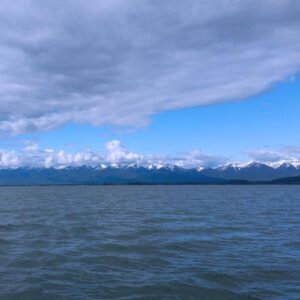
 Visiting Montana. We provide information and content for folks who are visiting Montana. Thank you for visiting our site. Many years back the Flathead Lake Vacation Guide was written to provide tourist with the information they needed while visiting Montana.
This Vacation Guide contains most every public access point around The Lake. Public and private fishing and camping areas. So if you are looking for public or private campgrounds around our Lake, this vacation guide has the information you will need to plan your Montana vacation. See what is included, and Read the booklet Table of Contents.
Since that time we have created many websites and informational guides to assist visitors on what to see, and what to do.
Visit Montana’s Flathead Lake Website to purchase your guide today. montanasflatheadlake.com . Montana’s Flathead Lake Vacations are better with our downloadable guide. The guide includes restaurants, hotels, motels, vacation rentals, boat rentals, water craft rentals as well as public and private campgrounds. It is the most complete vacation information about Flathead Lake. Purchase your copy today!
At $4.99 the Booklet costs less then a Subway® sandwich you can buy in Bigfork or Polson. So this will insure you have the information you need to have a Great Montana Lake Vacation. Purchase your booklet using our Pay-Pal option knowing your information is safe and secure and we will see you on the Lake!
For easy download, the vacation guide booklet is available for your tablet or smart phone. So spend less time wondering what to do and more time doing it!
Here is a list of some topics covered in the Flathead Lake Vacation Guide.
Visiting Montana, THE FLATHEAD LAKE VACATION GUIDE
Finally if you have any questions about The Vacation Guide Booklet, including advertising options and affiliate programs send us an email to : vacation@MontanasFlatheadLake.com


 These are all Flathead Lake Videos. There are thirteen public access sites around the lake. These sites include: Sportsman’s Bridge, Somers,
  A picnic area provides day use visitors with the opportunity to enjoy a peaceful lunch, and there are day hiking opportunities near Bowman Lake for hikers eager to experience Glacier’s wilderness. Fisherman, canoers, and kayakers will enjoy the recreational opportunities Bowman Lake offers.

 Glacier National Park is named for the glaciers that produced its landscape. A glacier is a moving mass of snow and ice. It forms when more snow falls each winter than melts in the summer. The snow accumulates and presses the layers below it into ice. The bottom layer of ice becomes flexible and therefore allows the glacier to move. As it moves, a glacier picks up rock and gravel. With this mixture of debris, it scours and sculptures the land it moves across. This is how, over thousands of years, Glacier National Park got all its valleys, sharp mountain peaks, and lakes. There are more than 50 glaciers in the park today, though they are smaller than the huge ones that existed 20,000 years ago.
 The park is unique among US parks in its relationship with the Waterton Lakes National Park in Alberta, Canada. The two parks meet at the border shared by the two countries. Though administered by separate countries, the parks are cooperatively managed in recognition that wild plants and animals ignore political boundaries and claim the natural and cultural resources on both sides of the border. In 1932, the parks were designated the first International Peace Park in recognition of the bonds of peace and friendship between the two nations. The two parks jointly share the name The Waterton-Glacier International Peace Park. Then, in 1995, The Waterton-Glacier International Peace Park was designated for inclusion as a World Heritage Site.
 Recent archaeological surveys have found evidence of human use dating back over 10,000 years. These people may have been the ancestors of tribes that live in the area today. By the time the first European explorers came to this region, several different tribes inhabited the area. The Blackfeet Indians controlled the vast prairies east of the mountains. The Salish and Kootenai Indians lived and hunted in the western valleys. They also traveled east of the mountains to hunt buffalo.
 The construction of the Going-to-the-Sun Road was a huge undertaking. Even today, visitors to the park marvel at how such a road could have been built. The final section of the Going-to-the-Sun Road, over Logan Pass, was completed in 1932 after 11 years of work. The road is considered an engineering feat and is a National Historic Landmark. It is one of the most scenic roads in North America. The construction of the road forever changed the way visitors would experience Glacier National Park. Future visitors would drive over sections of the park that previously had taken days of horseback riding to see.